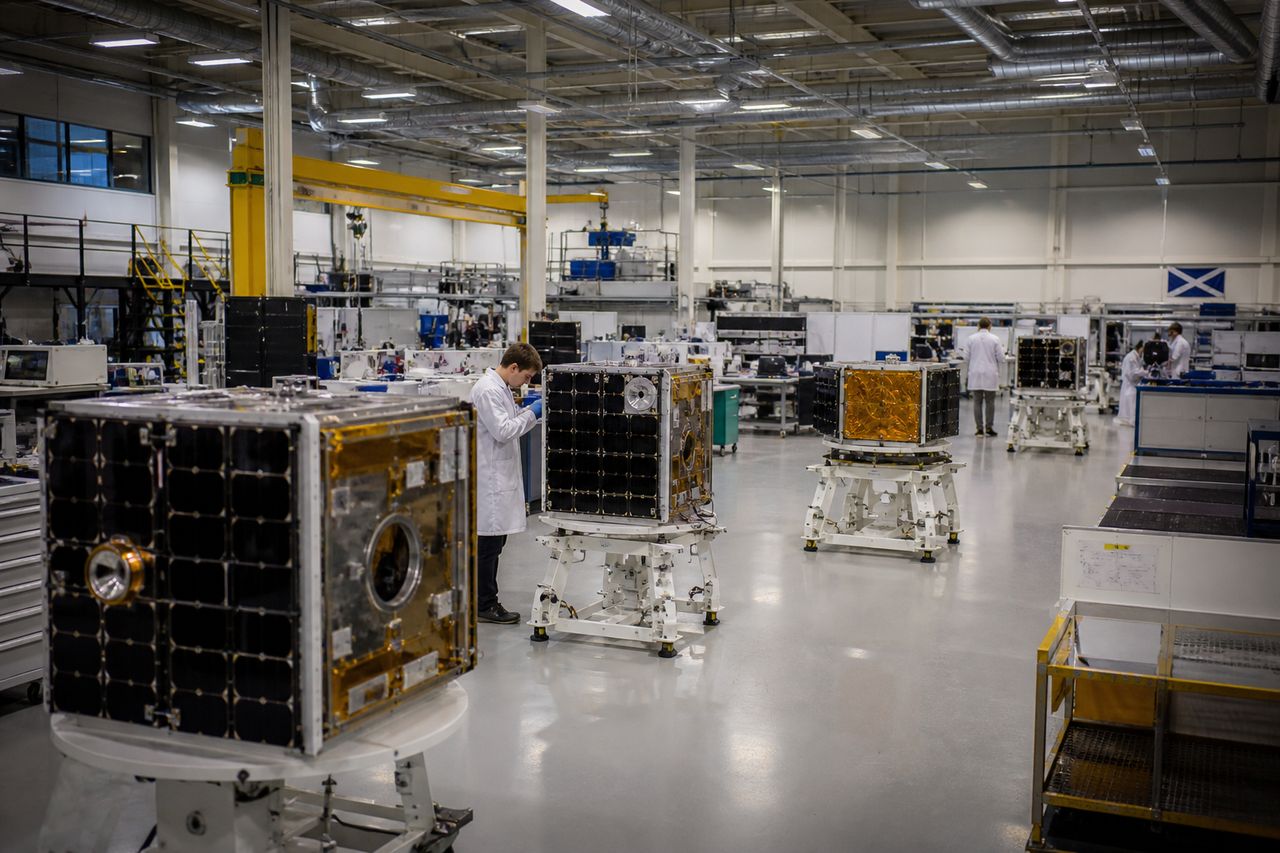
Manchester graphene groups reported aerospace composite and thermal management trials, drawing fresh attention across UK laboratories, agencies and industrial partners tracking advanced materials. Flight qualification is the real product milestone. Allied counterparts in Europe watch UK decisions for signals about reliability as a partner on shared missions and supply chains. Those tensions will define the next twelve months more than any single press conference. Qualify or remain novelty. None of this absolves delivery teams from schedule slips; it does argue for measuring the right intermediate outcomes in public.
Aerospace primes confirmed demands for statistically credible coupon data, drawing fresh attention across UK laboratories, agencies and industrial partners tracking aerospace supply. One hero sample convinces nobody in airworthiness. Investors and primes describe a familiar pattern: strong science, thinner production engineering, and optimism that the gap can be closed in a single spending review. A local authority economic adviser told Nebuluggage: “Open data without curated uncertainty simply moves the error downstream.” Whether the UK converts this into durable advantage depends on boring follow-through. Statistics persuade.
GEIC collaborators outlined scale-up pathways beyond laboratory sheets, drawing fresh attention across UK laboratories, agencies and industrial partners tracking graphene innovation. Security and civil science now share sensors, catalogues and computing more often than organisational charts imply, which raises governance questions as fast as it creates opportunity. Scale-up kills many wonder materials. Environmental and planning stakeholders insist that consent is earned through monitoring data and community funds, not through branding alone. Independent peer review and published datasets remain the cleanest credibility route. Scale early.
Qualification is the real product
Thermal engineers in space defended interest in graphene-enhanced heat spreading, drawing fresh attention across UK laboratories, agencies and industrial partners tracking space thermal. Thermal paths decide payload survival. Cyber and physical security requirements add cost and time, particularly where civil and defence users share ground segments or compute. Schedule buffers look thin wherever specialist labour markets stay overheated. Heat is a mission. Budget realism hangs over every claim. Multi-year settlements help planning, yet inflation in cryogenics, composites and specialist labour can erase headline uplifts before hardware ships.
Regulators accelerated material qualification frameworks that move carefully, drawing fresh attention across UK laboratories, agencies and industrial partners tracking airworthiness. Novelty taxes certification bandwidth. Standards bodies and test houses quietly shape timelines whenever qualification campaigns queue behind higher-priority aerospace work. International collaborators will judge Britain on cadence, not communiqués. Plan the cert path. That is why Nebuluggage continues to track secondary contracts, test house queues and standards committee votes as leading indicators.

Investors reassessed fatigue with graphene hype cycles, drawing fresh attention across UK laboratories, agencies and industrial partners tracking deep tech finance. Hype hangover raises the evidence bar. Regional mayors frame the project as part of a wider innovation corridor narrative that must still show supplier invoices locally. A senior programme engineer told Nebuluggage: “Communities will support launch if they see skills and honesty, not just press releases.” Local consent can evaporate quickly if monitoring promises slip. Underclaim now.
University of Manchester published responsibility as a global graphene brand holder, drawing fresh attention across UK laboratories, agencies and industrial partners tracking research brand. The UK angle is unmistakable: facilities, standards and skilled people still cluster around Harwell, Culham, Glasgow and the northern research corridor even as global competition intensifies. Brand without delivery becomes a liability. Mission assurance specialists warn that software assurance and model-based systems engineering remain under-discussed in public briefings. The industrial strategy story only holds if purchase orders follow rhetoric. Deliver quietly.
Space thermal management niches
Trade skills teams previewed composites technicians for hybrid laminates, drawing fresh attention across UK laboratories, agencies and industrial partners tracking skills. Layup skill is scarce. Export-control lawyers have become unexpected members of science teams whenever components cross ITAR or dual-use thresholds. Assured performance under degraded conditions is the test that matters. Train layup. Talent is the binding constraint. Visas, university funding and industrial salaries jointly determine whether the next instrument team forms in Britain or relocates mid-project.
Environmental analysts challenged life-cycle questions on novel additives, drawing fresh attention across UK laboratories, agencies and industrial partners tracking sustainability. Wonder materials need cradle-to-grave honesty. Open research advocates push for data releases that are usable, not merely compliant checkboxes after embargo windows. Skills retention may prove harder than capital equipment procurement. LCA early. None of this absolves delivery teams from schedule slips; it does argue for measuring the right intermediate outcomes in public.
SMEs reaffirmed niche applications where graphene earns its keep, drawing fresh attention across UK laboratories, agencies and industrial partners tracking materials market. Niches pay bills while aerospace waits. Operators on the sharp end — grids, clinics, satcom desks — want playbooks and thresholds, not only peer-reviewed PDFs. A local authority economic adviser told Nebuluggage: “Britain still punches above its weight in instruments, but cadence and capital decide who owns the market.” Transparency about risk is still rarer than celebratory language. Cashflow niches.
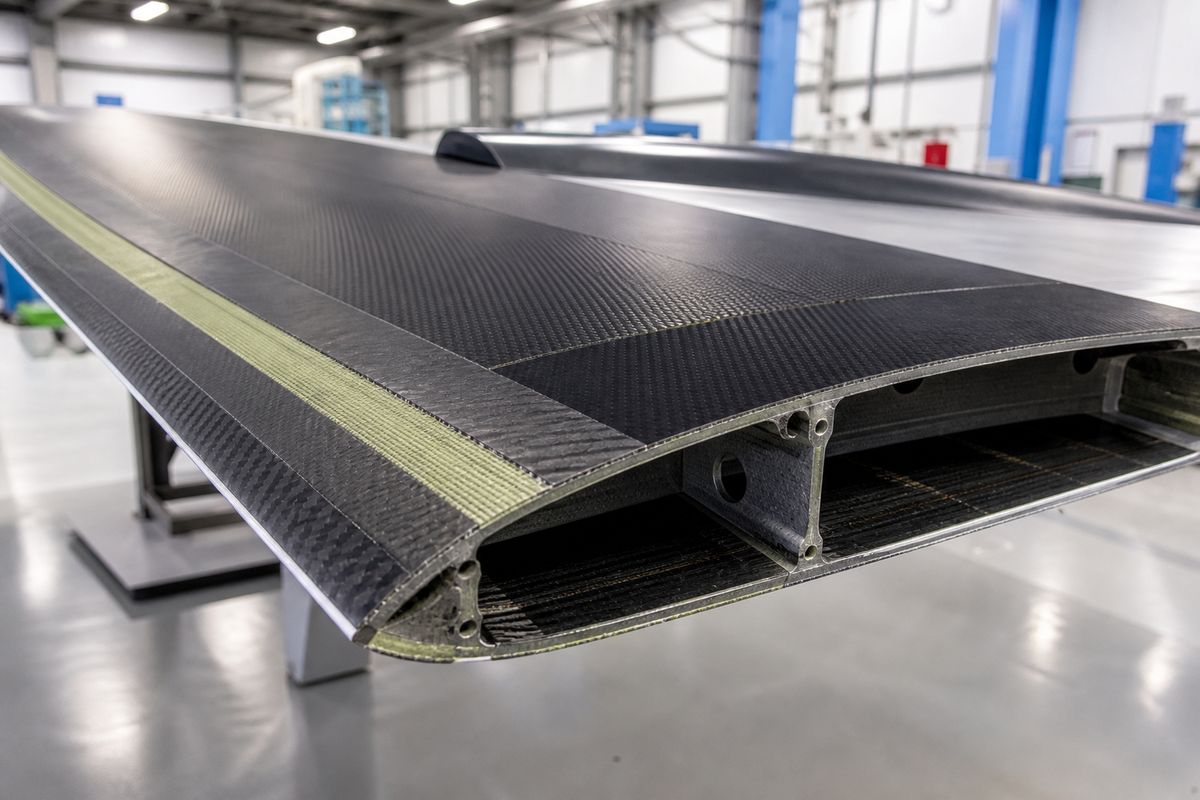
Test houses calibrated standard methods for graphene-enhanced systems, drawing fresh attention across UK laboratories, agencies and industrial partners tracking testing. Talent is the binding constraint. Visas, university funding and industrial salaries jointly determine whether the next instrument team forms in Britain or relocates mid-project. Without standards, every test is bespoke and slow. Former programme directors argue that Britain underestimates integration risk whenever it celebrates subsystem beauty. Secondary suppliers need forecast stability to invest in tooling. Standardise tests.
Regional industrial strategy angles
Regional strategists integrated Greater Manchester advanced materials narrative, drawing fresh attention across UK laboratories, agencies and industrial partners tracking place-based. Narratives need purchase orders. Apprenticeship leads say visibility of long-term contracts determines whether young technicians stay in the sector. Metrology and provenance are becoming competitive differentiators. Show invoices. The UK angle is unmistakable: facilities, standards and skilled people still cluster around Harwell, Culham, Glasgow and the northern research corridor even as global competition intensifies.
Academic critics scrutinised pressure to distinguish flakes marketing from engineered performance, drawing fresh attention across UK laboratories, agencies and industrial partners tracking research integrity. Naming is not engineering. Parliamentary committees continue to request clearer milestone charts that distinguish aspiration from funded scope. Cross-government coordination remains uneven between security and growth briefs. Define performance. That is why Nebuluggage continues to track secondary contracts, test house queues and standards committee votes as leading indicators.
Space start-ups prioritised thermal strap and coating experiments, drawing fresh attention across UK laboratories, agencies and industrial partners tracking NewSpace materials. CubeSats can iterate faster than airliners. Programme engineers stressed that configuration control and spare-parts logistics often decide whether a laboratory result survives contact with operations. A Met Office specialist told Nebuluggage: “We can buy slides or we can buy calibration; only one of those keeps satellites safe.” Public trust hinges on admitting what is not yet solved. Use fast platforms.
Avoiding graphene hype cycles
Health and safety officers benchmarked nanomaterial handling protocols, drawing fresh attention across UK laboratories, agencies and industrial partners tracking lab safety. Budget realism hangs over every claim. Multi-year settlements help planning, yet inflation in cryogenics, composites and specialist labour can erase headline uplifts before hardware ships. Protocols protect people and programmes. Treasury and departmental officials still ask for credible benefits cases that survive scrutiny from the National Audit Office mindset, even when projects are scientifically elegant. The comparison class is global; nostalgia is not a strategy. Handle safely.
Programme managers negotiated stage-gates tied to application owners, drawing fresh attention across UK laboratories, agencies and industrial partners tracking translation. Orphan materials die on shelves. University groups tied to the effort say doctoral training and technician pathways are as strategic as any single instrument upgrade. Delivery boards will have little patience for recycled milestones. Name the owner. Security and civil science now share sensors, catalogues and computing more often than organisational charts imply, which raises governance questions as fast as it creates opportunity.