British Antarctic Survey reported new syntheses linking ice-sheet loss to global sea-level pathways, drawing fresh attention across UK laboratories, agencies and industrial partners tracking polar science. Field truth still corrects satellite stories. Allied counterparts in Europe watch UK decisions for signals about reliability as a partner on shared missions and supply chains. Those tensions will define the next twelve months more than any single press conference. Boots and satellites need each other.
Met Office climate teams confirmed ingest of BAS findings into UK risk-relevant scenarios, drawing fresh attention across UK laboratories, agencies and industrial partners tracking UK climate services. Coastal planning needs polar physics translated carefully. Investors and primes describe a familiar pattern: strong science, thinner production engineering, and optimism that the gap can be closed in a single spending review. A Met Office specialist told Nebuluggage: “The milestone only counts if the next three campaigns reproduce it under harder conditions.” Whether the UK converts this into durable advantage depends on boring follow-through. Translation is a specialty.
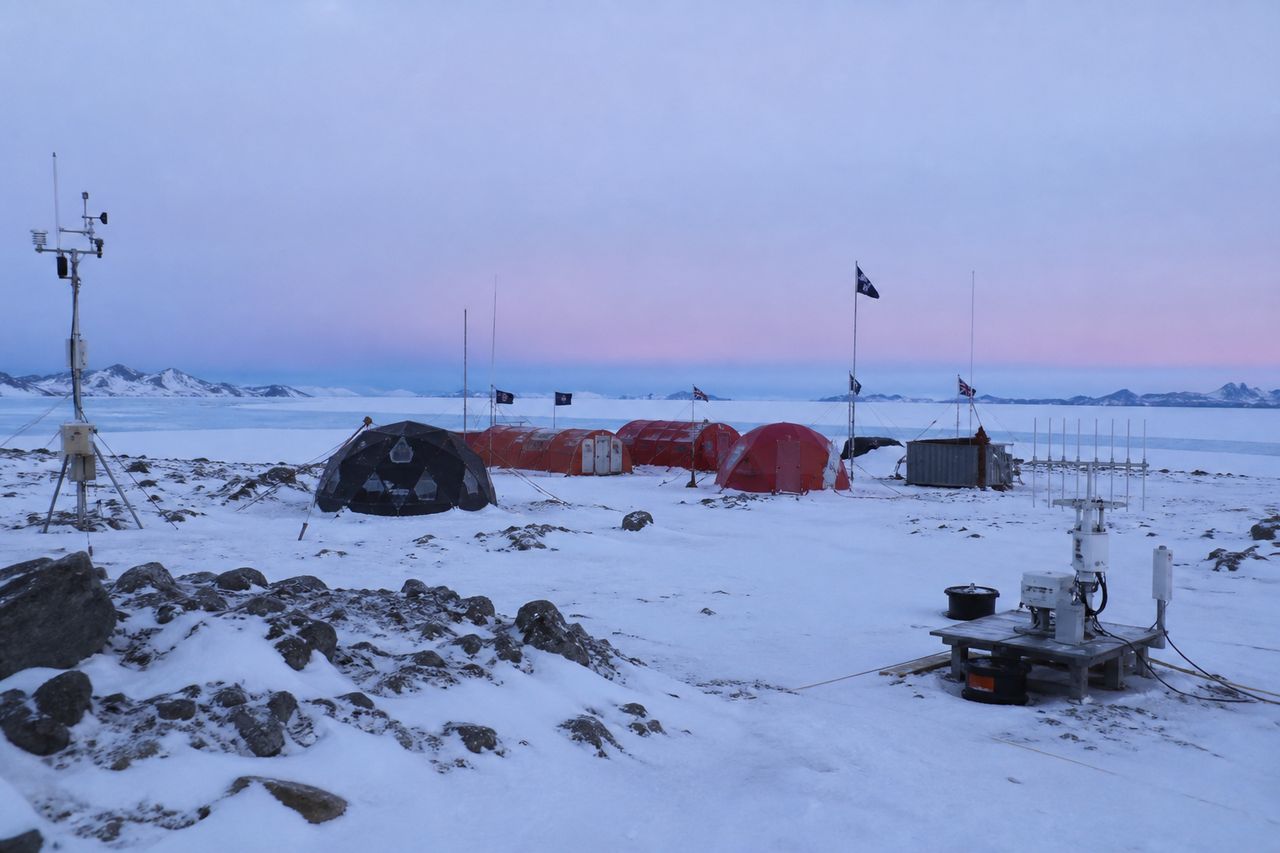
Ship and aircraft logistics outlined the cost and carbon tension of doing Antarctic science, drawing fresh attention across UK laboratories, agencies and industrial partners tracking polar logistics. Budget realism hangs over every claim. Multi-year settlements help planning, yet inflation in cryogenics, composites and specialist labour can erase headline uplifts before hardware ships. Access itself is a climate problem. Environmental and planning stakeholders insist that consent is earned through monitoring data and community funds, not through branding alone. Independent peer review and published datasets remain the cleanest credibility route. Logistics ethics matter.
Field seasons under logistics strain
Ice-core specialists defended records that contextualise the pace of current change, drawing fresh attention across UK laboratories, agencies and industrial partners tracking paleoclimate. Deep time embarrasses shallow complacency. Cyber and physical security requirements add cost and time, particularly where civil and defence users share ground segments or compute. Schedule buffers look thin wherever specialist labour markets stay overheated. Cores keep us honest. Data quality sits beneath the politics. Without metrology, provenance and reproducible pipelines, dashboards and AI summaries amplify noise and undermine operator trust.
International partners accelerated joint campaigns in the Amundsen and Weddell sectors, drawing fresh attention across UK laboratories, agencies and industrial partners tracking science diplomacy. Antarctica remains a rare cooperative commons under strain. Standards bodies and test houses quietly shape timelines whenever qualification campaigns queue behind higher-priority aerospace work. International collaborators will judge Britain on cadence, not communiqués. Protect the treaty spirit. Local MPs and combined authorities increasingly ask for supplier lists and apprenticeship numbers alongside the glossy renders.
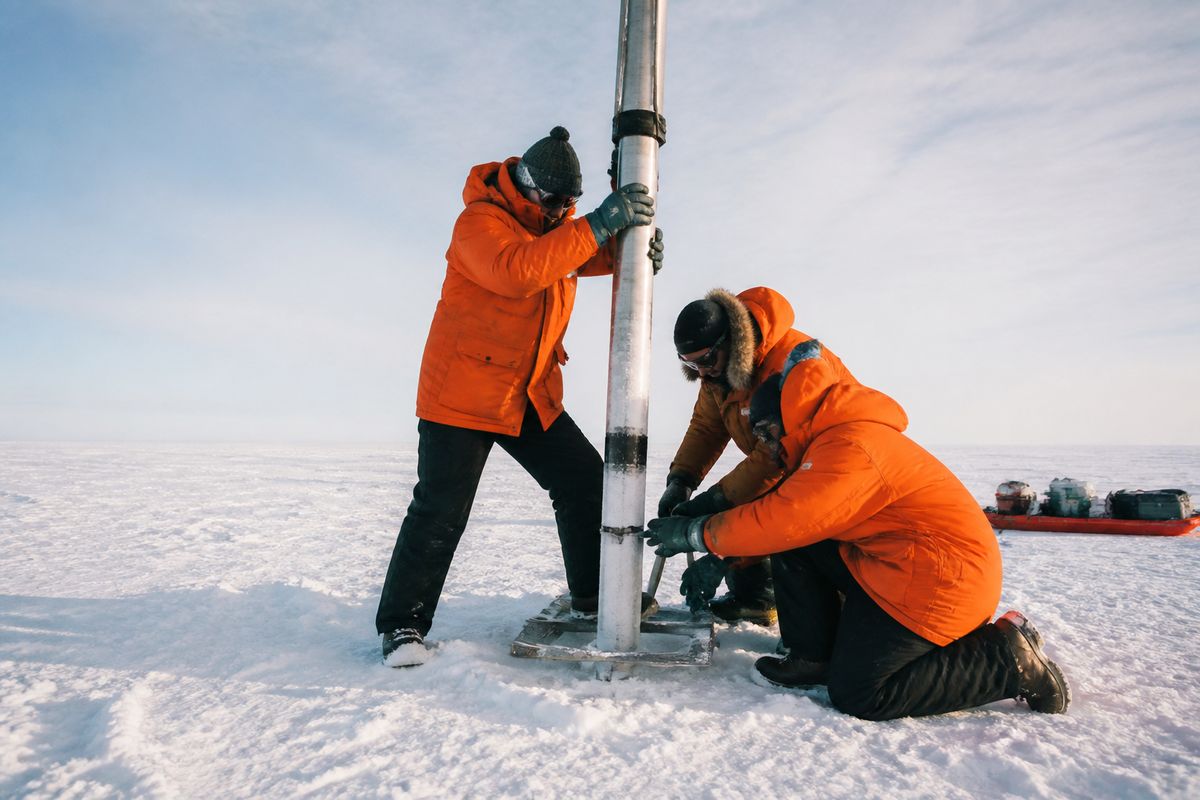
Early career researchers reassessed seasonal opportunities that define careers yet depend on funding continuity, drawing fresh attention across UK laboratories, agencies and industrial partners tracking polar careers. Miss two seasons and a cohort thins. Regional mayors frame the project as part of a wider innovation corridor narrative that must still show supplier invoices locally. A venture investor focused on deep tech told Nebuluggage: “Association helps, yet networks rebuild slower than ministers admit in speeches.” Local consent can evaporate quickly if monitoring promises slip. Continuity is kindness.
Satellite altimetry groups published cross-calibration with BAS airborne and in-situ lines, drawing fresh attention across UK laboratories, agencies and industrial partners tracking EO for ice. Officials in London increasingly frame the story through industrial strategy, asking whether each scientific win converts into exportable capability and resilient services rather than a one-off paper. Bias corrections are the unsung heroes. Mission assurance specialists warn that software assurance and model-based systems engineering remain under-discussed in public briefings. The industrial strategy story only holds if purchase orders follow rhetoric. Calibrate the height.
Satellite altimetry meets ice-core truth
UKRI NERC previewed balancing big infrastructure with agile project science, drawing fresh attention across UK laboratories, agencies and industrial partners tracking environmental research funding. Ships and grants must be planned together. Export-control lawyers have become unexpected members of science teams whenever components cross ITAR or dual-use thresholds. Assured performance under degraded conditions is the test that matters. Fragmentation wastes polar time. Data quality sits beneath the politics. Without metrology, provenance and reproducible pipelines, dashboards and AI summaries amplify noise and undermine operator trust.
Coastal local authorities in Britain challenged growing appetite for polar-informed adaptation numbers, drawing fresh attention across UK laboratories, agencies and industrial partners tracking adaptation policy. They need ranges, not only central estimates. Open research advocates push for data releases that are usable, not merely compliant checkboxes after embargo windows. Skills retention may prove harder than capital equipment procurement. Serve decision-makers. Independent analysts watching the UK portfolio make a similar point about sequencing: prove the engineering, then advertise the geopolitics.
Wildlife and ecosystem teams reaffirmed coupled stories of ice, ocean and food webs, drawing fresh attention across UK laboratories, agencies and industrial partners tracking polar ecology. Physical change is lived by penguins and people alike. Operators on the sharp end — grids, clinics, satcom desks — want playbooks and thresholds, not only peer-reviewed PDFs. A Met Office specialist told Nebuluggage: “The milestone only counts if the next three campaigns reproduce it under harder conditions.” Transparency about risk is still rarer than celebratory language. Integrate living systems.
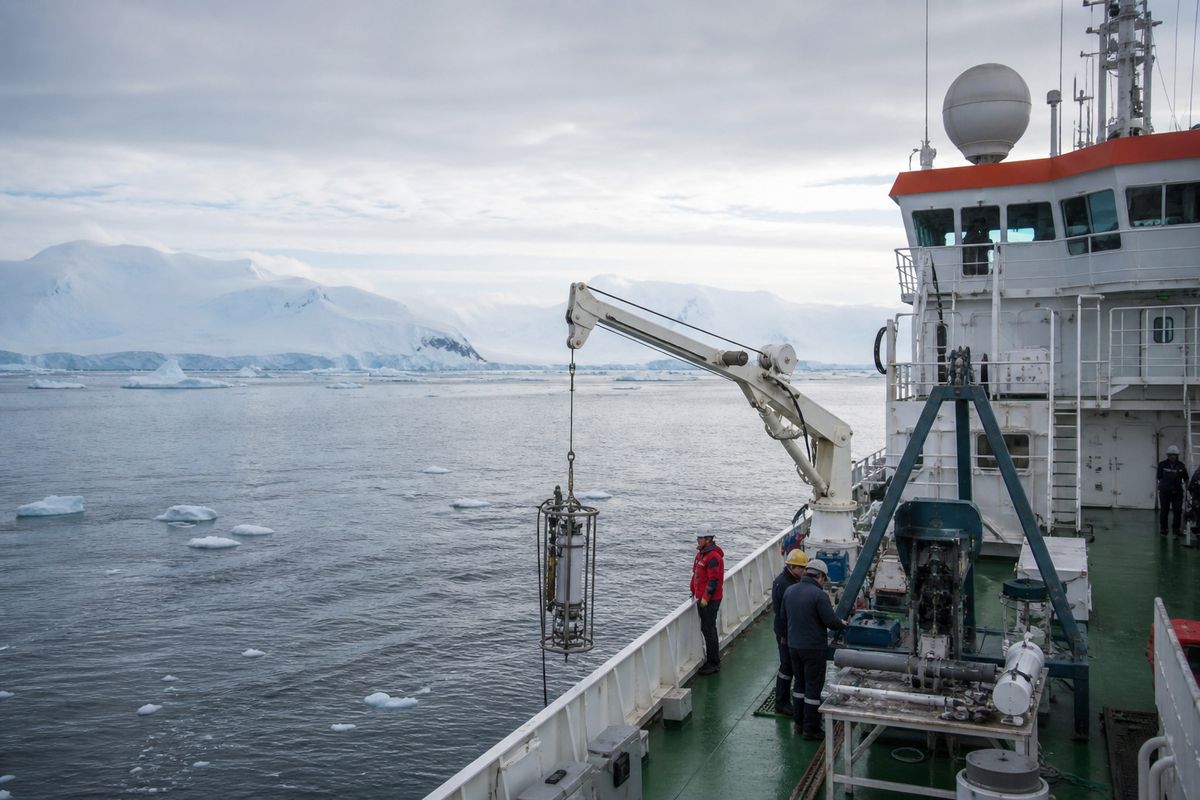
Data managers calibrated making polar datasets usable beyond specialist clubs, drawing fresh attention across UK laboratories, agencies and industrial partners tracking open environmental data. Security and civil science now share sensors, catalogues and computing more often than organisational charts imply, which raises governance questions as fast as it creates opportunity. Formats and metadata decide reuse. Former programme directors argue that Britain underestimates integration risk whenever it celebrates subsystem beauty. Secondary suppliers need forecast stability to invest in tooling. Usability is impact.
Translating polar science into UK policy numbers
Safety officers integrated evolving risk assessments as conditions become less predictable, drawing fresh attention across UK laboratories, agencies and industrial partners tracking field safety. Tradition is not a hazard control. Apprenticeship leads say visibility of long-term contracts determines whether young technicians stay in the sector. Metrology and provenance are becoming competitive differentiators. Update the playbooks. Regional economies watch closely. From Shetland to Teesside and Cornwall, leaders want apprenticeships and supplier contracts, not merely fly-in announcements that vanish after the photocall.
Carbon accountants scrutinised scrutiny of research footprints without abandoning necessary fieldwork, drawing fresh attention across UK laboratories, agencies and industrial partners tracking research sustainability. Measure, reduce, then justify the rest. Parliamentary committees continue to request clearer milestone charts that distinguish aspiration from funded scope. Cross-government coordination remains uneven between security and growth briefs. Hypocrisy helps no ice sheet. Local MPs and combined authorities increasingly ask for supplier lists and apprenticeship numbers alongside the glossy renders.
Storytellers and educators prioritised bringing ice-sheet science into UK classrooms responsibly, drawing fresh attention across UK laboratories, agencies and industrial partners tracking public engagement. Doom without agency breeds numbness. Programme engineers stressed that configuration control and spare-parts logistics often decide whether a laboratory result survives contact with operations. An industry consortium lead told Nebuluggage: “Dual-use research needs bright lines, not after-the-fact apologies.” Public trust hinges on admitting what is not yet solved. Pair risk with options.
International partnerships on the ice
Policy advisers benchmarked the lag between polar papers and planning frameworks, drawing fresh attention across UK laboratories, agencies and industrial partners tracking science-policy interface. The UK angle is unmistakable: facilities, standards and skilled people still cluster around Harwell, Culham, Glasgow and the northern research corridor even as global competition intensifies. Planning cycles and field seasons misalign by default. Treasury and departmental officials still ask for credible benefits cases that survive scrutiny from the National Audit Office mindset, even when projects are scientifically elegant. The comparison class is global; nostalgia is not a strategy. Build institutional bridges.
Station engineers negotiated keeping bases functional as weather windows shift, drawing fresh attention across UK laboratories, agencies and industrial partners tracking Antarctic infrastructure. Engineering on ice is climate adaptation in miniature. University groups tied to the effort say doctoral training and technician pathways are as strategic as any single instrument upgrade. Delivery boards will have little patience for recycled milestones. Stations teach resilience. Talent is the binding constraint. Visas, university funding and industrial salaries jointly determine whether the next instrument team forms in Britain or relocates mid-project.