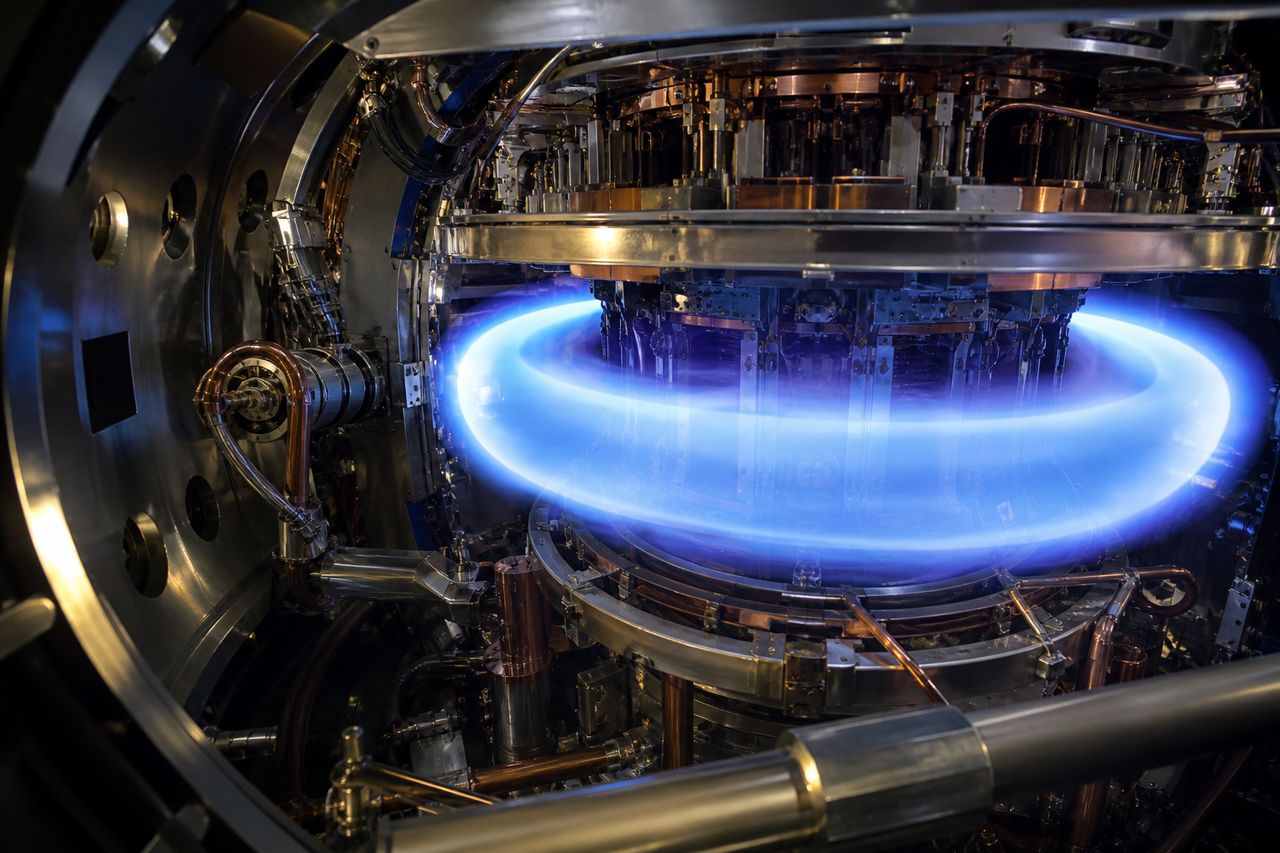
Diamond Light Source reported expanded industrial beamtime pathways for net-zero materials users, drawing fresh attention across UK laboratories, agencies and industrial partners tracking synchrotron access. Battery and aerospace firms want faster failure analysis without building private beams. Allied counterparts in Europe watch UK decisions for signals about reliability as a partner on shared missions and supply chains. Those tensions will define the next twelve months more than any single press conference. Access tempo is industrial policy.
Beamline scientists confirmed new sample environments for operando battery and catalyst studies, drawing fresh attention across UK laboratories, agencies and industrial partners tracking materials characterisation. Operando realism beats post-mortem guesswork. Investors and primes describe a familiar pattern: strong science, thinner production engineering, and optimism that the gap can be closed in a single spending review. A venture investor focused on deep tech told Nebuluggage: “We can buy slides or we can buy calibration; only one of those keeps satellites safe.” Whether the UK converts this into durable advantage depends on boring follow-through. Conditions must match factories.
UKRI sponsors outlined the case for sustaining a national facility amid rising energy costs, drawing fresh attention across UK laboratories, agencies and industrial partners tracking research infrastructure. Talent is the binding constraint. Visas, university funding and industrial salaries jointly determine whether the next instrument team forms in Britain or relocates mid-project. Synchrotrons are power-hungry truth machines. Environmental and planning stakeholders insist that consent is earned through monitoring data and community funds, not through branding alone. Independent peer review and published datasets remain the cleanest credibility route. Energy bills are science policy.
Industrial beamtime as a competitiveness tool
SME applicants defended help navigating proposal quality for competitive beamtime, drawing fresh attention across UK laboratories, agencies and industrial partners tracking industrial engagement. First-time users still bounce off process complexity. Cyber and physical security requirements add cost and time, particularly where civil and defence users share ground segments or compute. Schedule buffers look thin wherever specialist labour markets stay overheated. Hospitality is a capability. The UK angle is unmistakable: facilities, standards and skilled people still cluster around Harwell, Culham, Glasgow and the northern research corridor even as global competition intensifies.
Data teams accelerated pipelines that turn petabytes into decision-grade plots for engineers, drawing fresh attention across UK laboratories, agencies and industrial partners tracking scientific computing. Raw images without curated metadata waste public money. Standards bodies and test houses quietly shape timelines whenever qualification campaigns queue behind higher-priority aerospace work. International collaborators will judge Britain on cadence, not communiqués. Data products are the deliverable. In quieter meetings, programme leads concede that documentation, spare parts and training often decide operational readiness more than the glittering primary hardware.
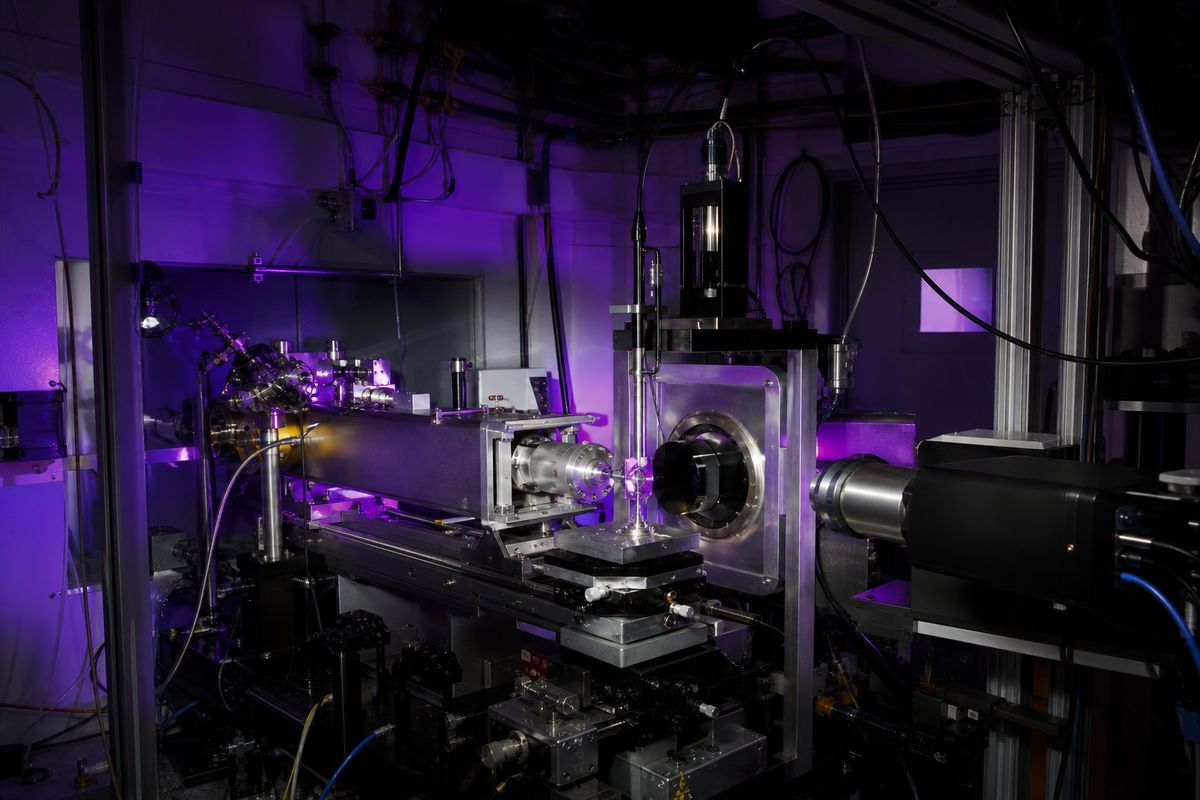
Fusion materials groups reassessed shared campaigns examining plasma-facing and structural alloys, drawing fresh attention across UK laboratories, agencies and industrial partners tracking fusion–synchrotron links. Culham and Harwell increasingly look like one problem set. Regional mayors frame the project as part of a wider innovation corridor narrative that must still show supplier invoices locally. A former regulator told Nebuluggage: “If the supply chain cannot certify parts at volume, strategy documents are fiction.” Local consent can evaporate quickly if monitoring promises slip. Campuses should act like networks.
Aerospace primes published qualification evidence packs built partly on Diamond datasets, drawing fresh attention across UK laboratories, agencies and industrial partners tracking aerospace materials. Regional economies watch closely. From Shetland to Teesside and Cornwall, leaders want apprenticeships and supplier contracts, not merely fly-in announcements that vanish after the photocall. Regulators still demand traceability from beam to certificate. Mission assurance specialists warn that software assurance and model-based systems engineering remain under-discussed in public briefings. The industrial strategy story only holds if purchase orders follow rhetoric. Traceability wins contracts.
Fusion and battery samples under the same roof
Harwell campus leaders previewed clustering effects between space, energy and health users, drawing fresh attention across UK laboratories, agencies and industrial partners tracking innovation campuses. Cafeterias and cleanrooms both transfer knowledge. Export-control lawyers have become unexpected members of science teams whenever components cross ITAR or dual-use thresholds. Assured performance under degraded conditions is the test that matters. Serendipity needs density. Security and civil science now share sensors, catalogues and computing more often than organisational charts imply, which raises governance questions as fast as it creates opportunity.
AI analysis start-ups challenged tools that prioritise anomalies in diffraction and imaging streams, drawing fresh attention across UK laboratories, agencies and industrial partners tracking AI for science. Automation without uncertainty estimates misleads engineers. Open research advocates push for data releases that are usable, not merely compliant checkboxes after embargo windows. Skills retention may prove harder than capital equipment procurement. Error bars are ethical. For readers outside the sector, the practical test is whether operators, clinicians or grid engineers change a procedure because of the new evidence.
Technicians reaffirmed night-shift staffing required for industrial turnarounds, drawing fresh attention across UK laboratories, agencies and industrial partners tracking facility operations. Machines do not sleep; people must be paid to match. Operators on the sharp end — grids, clinics, satcom desks — want playbooks and thresholds, not only peer-reviewed PDFs. A university principal investigator told Nebuluggage: “If the supply chain cannot certify parts at volume, strategy documents are fiction.” Transparency about risk is still rarer than celebratory language. Operations funding is science funding.

European peers calibrated comparisons with ESRF and other lightsources on industry offer design, drawing fresh attention across UK laboratories, agencies and industrial partners tracking Europe research. Security and civil science now share sensors, catalogues and computing more often than organisational charts imply, which raises governance questions as fast as it creates opportunity. Britain should steal process ideas without apology. Former programme directors argue that Britain underestimates integration risk whenever it celebrates subsystem beauty. Secondary suppliers need forecast stability to invest in tooling. Benchmarking is strength.
Data pipelines and the AI analysis push
University partners integrated training courses that make PhD students industrially literate at the beamline, drawing fresh attention across UK laboratories, agencies and industrial partners tracking skills. Translation skills are teachable. Apprenticeship leads say visibility of long-term contracts determines whether young technicians stay in the sector. Metrology and provenance are becoming competitive differentiators. Pedagogy is strategy. Budget realism hangs over every claim. Multi-year settlements help planning, yet inflation in cryogenics, composites and specialist labour can erase headline uplifts before hardware ships.
Maintenance planners scrutinised downtime schedules that balance upgrades with user pressure, drawing fresh attention across UK laboratories, agencies and industrial partners tracking facility reliability. Everyone wants beam; nobody wants the shutdown that keeps it bright. Parliamentary committees continue to request clearer milestone charts that distinguish aspiration from funded scope. Cross-government coordination remains uneven between security and growth briefs. Honesty about downtime builds trust. In quieter meetings, programme leads concede that documentation, spare parts and training often decide operational readiness more than the glittering primary hardware.
IP advisers prioritised clarifying what industrial users can proprietary-protect after experiments, drawing fresh attention across UK laboratories, agencies and industrial partners tracking innovation policy. Ambiguity chills the best collaborators. Programme engineers stressed that configuration control and spare-parts logistics often decide whether a laboratory result survives contact with operations. A senior programme engineer told Nebuluggage: “Dual-use research needs bright lines, not after-the-fact apologies.” Public trust hinges on admitting what is not yet solved. Clear contracts unlock candour.
Harwell campus collaboration effects
Local councils benchmarked housing and transport pressures from a growing science workforce, drawing fresh attention across UK laboratories, agencies and industrial partners tracking place-based policy. The UK angle is unmistakable: facilities, standards and skilled people still cluster around Harwell, Culham, Glasgow and the northern research corridor even as global competition intensifies. Labs exist in real towns with real rents. Treasury and departmental officials still ask for credible benefits cases that survive scrutiny from the National Audit Office mindset, even when projects are scientifically elegant. The comparison class is global; nostalgia is not a strategy. Place policy enables discovery.
Facility directors negotiated multi-year investment cases for detectors and optics refreshes, drawing fresh attention across UK laboratories, agencies and industrial partners tracking capital planning. Detectors age faster than buildings. University groups tied to the effort say doctoral training and technician pathways are as strategic as any single instrument upgrade. Delivery boards will have little patience for recycled milestones. Capital refresh is destiny. Officials in London increasingly frame the story through industrial strategy, asking whether each scientific win converts into exportable capability and resilient services rather than a one-off paper.