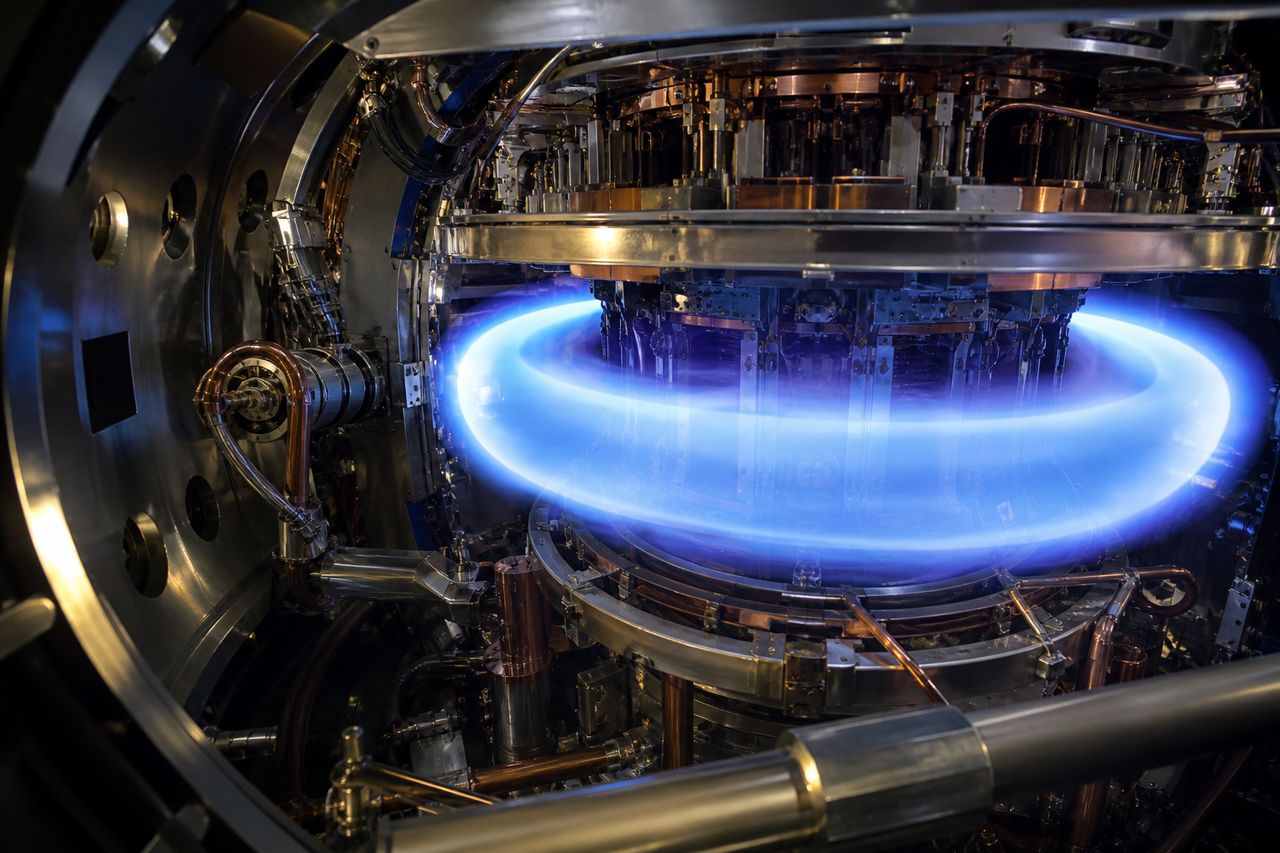
UKAEA teams at Culham reported a longer MAST Upgrade plasma pulse with improved stability indicators, drawing fresh attention across UK laboratories, agencies and industrial partners tracking spherical tokamak performance. Divertor diagnostics and real-time control updates sat at the centre of the campaign notes. Allied counterparts in Europe watch UK decisions for signals about reliability as a partner on shared missions and supply chains. Those tensions will define the next twelve months more than any single press conference. STEP designers will mine the shot database for exhaust and control lessons.
Spherical tokamak advocates confirmed the value of compact devices for cost and site flexibility, drawing fresh attention across UK laboratories, agencies and industrial partners tracking fusion roadmap choices. Not every physicist agrees on extrapolation from MAST-class machines to pilot plants. Investors and primes describe a familiar pattern: strong science, thinner production engineering, and optimism that the gap can be closed in a single spending review. A Met Office specialist told Nebuluggage: “The milestone only counts if the next three campaigns reproduce it under harder conditions.” Whether the UK converts this into durable advantage depends on boring follow-through. Honest scaling debates help more than triumphalism.
Materials scientists outlined fresh interest in plasma-facing component coupons from the pulse series, drawing fresh attention across UK laboratories, agencies and industrial partners tracking fusion materials. Regional economies watch closely. From Shetland to Teesside and Cornwall, leaders want apprenticeships and supplier contracts, not merely fly-in announcements that vanish after the photocall. Thermal cycling data matters as much as the headline duration figure. Environmental and planning stakeholders insist that consent is earned through monitoring data and community funds, not through branding alone. Independent peer review and published datasets remain the cleanest credibility route. Without materials endurance, pulse length is a partial victory.
Why pulse length matters for spherical tokamaks
Control engineers defended tighter disruption avoidance algorithms during the record attempts, drawing fresh attention across UK laboratories, agencies and industrial partners tracking plasma control. Software assurance for safety interlocks received unusual attention in briefings. Cyber and physical security requirements add cost and time, particularly where civil and defence users share ground segments or compute. Schedule buffers look thin wherever specialist labour markets stay overheated. Algorithms are now first-class fusion hardware. Data quality sits beneath the politics. Without metrology, provenance and reproducible pipelines, dashboards and AI summaries amplify noise and undermine operator trust.
EUROfusion collaborators accelerated shared modelling comparisons against the Culham shots, drawing fresh attention across UK laboratories, agencies and industrial partners tracking European fusion coordination. Code-to-code benchmarking reduces the chance of UK-only blind spots. Standards bodies and test houses quietly shape timelines whenever qualification campaigns queue behind higher-priority aerospace work. International collaborators will judge Britain on cadence, not communiqués. Isolation would slow everyone. In quieter meetings, programme leads concede that documentation, spare parts and training often decide operational readiness more than the glittering primary hardware.

Industry secondees reassessed how quickly laboratory practice can inform STEP procurement specs, drawing fresh attention across UK laboratories, agencies and industrial partners tracking fusion industrialisation. Vendors want clearer requirements before tooling investments. Regional mayors frame the project as part of a wider innovation corridor narrative that must still show supplier invoices locally. A university principal investigator told Nebuluggage: “Association helps, yet networks rebuild slower than ministers admit in speeches.” Local consent can evaporate quickly if monitoring promises slip. Ambiguous specs tax the supply chain.
Skills leads at Culham published expanded technician pathways tied to higher experimental cadence, drawing fresh attention across UK laboratories, agencies and industrial partners tracking fusion skills. Officials in London increasingly frame the story through industrial strategy, asking whether each scientific win converts into exportable capability and resilient services rather than a one-off paper. Night-shift operations still struggle to recruit experienced staff. Mission assurance specialists warn that software assurance and model-based systems engineering remain under-discussed in public briefings. The industrial strategy story only holds if purchase orders follow rhetoric. Cadence without people is a paper plan.
Engineering lessons for divertors and exhaust
Communications staff previewed a more cautious public line on what a single record proves, drawing fresh attention across UK laboratories, agencies and industrial partners tracking fusion communications. Past hype cycles still haunt journalists and officials alike. Export-control lawyers have become unexpected members of science teams whenever components cross ITAR or dual-use thresholds. Assured performance under degraded conditions is the test that matters. Understatement can be strategic. European partnerships remain the practical route for scale, whether through ESA mission roles, Horizon collaborations or shared launcher supply chains that British firms already understand.
Diagnostic physicists challenged upgraded Thomson scattering and imaging systems used in the campaign, drawing fresh attention across UK laboratories, agencies and industrial partners tracking fusion diagnostics. Calibration time competed with experimental ambition throughout the week. Open research advocates push for data releases that are usable, not merely compliant checkboxes after embargo windows. Skills retention may prove harder than capital equipment procurement. Uncalibrated glory is not science. For readers outside the sector, the practical test is whether operators, clinicians or grid engineers change a procedure because of the new evidence.
Power supply teams reaffirmed the electrical engineering constraints behind longer pulses, drawing fresh attention across UK laboratories, agencies and industrial partners tracking tokamak engineering. Magnet and converter margins set hard stops no press release can move. Operators on the sharp end — grids, clinics, satcom desks — want playbooks and thresholds, not only peer-reviewed PDFs. A Met Office specialist told Nebuluggage: “The milestone only counts if the next three campaigns reproduce it under harder conditions.” Transparency about risk is still rarer than celebratory language. Physics proposes; power electronics dispose.
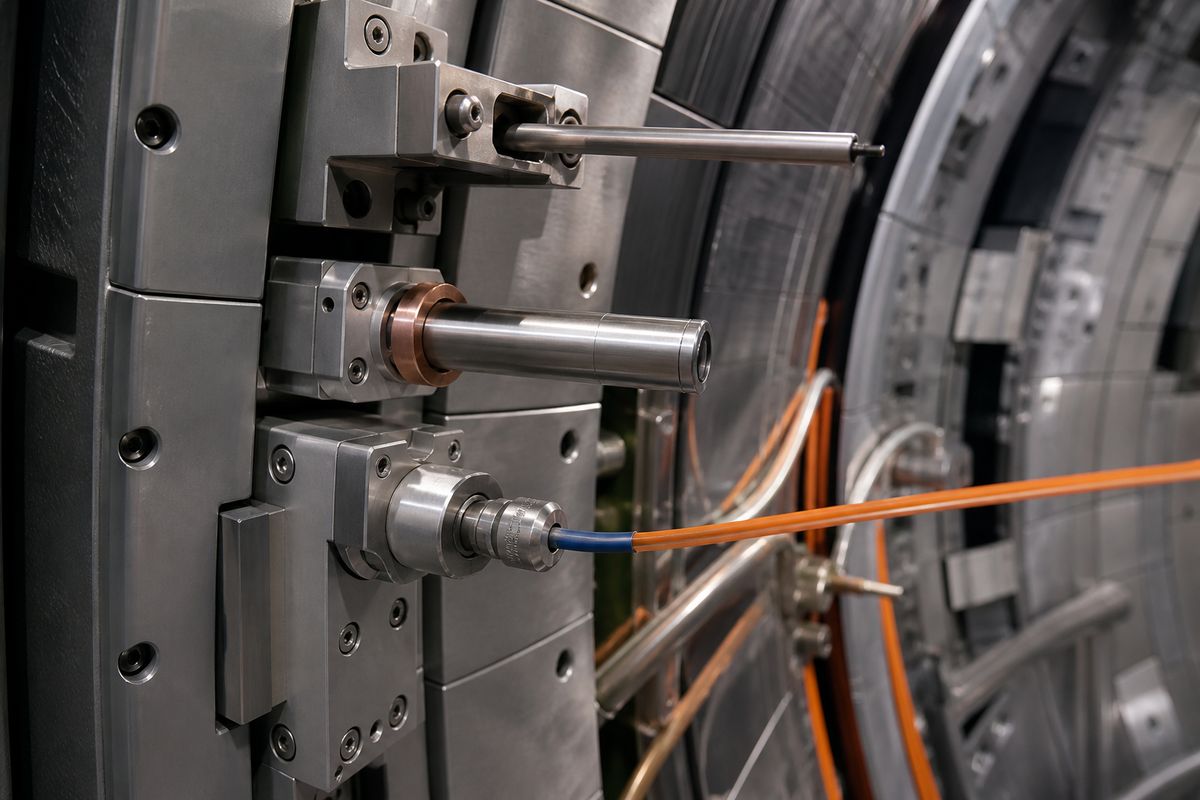
Safety case authors calibrated how record shots feed the living operational safety documentation, drawing fresh attention across UK laboratories, agencies and industrial partners tracking fusion safety. European partnerships remain the practical route for scale, whether through ESA mission roles, Horizon collaborations or shared launcher supply chains that British firms already understand. Regulators expect traceable links between experiments and safety arguments. Former programme directors argue that Britain underestimates integration risk whenever it celebrates subsystem beauty. Secondary suppliers need forecast stability to invest in tooling. Paper trails protect programmes.
What industry partners are watching next
Doctoral students integrated rare access to high-value shot time for thesis datasets, drawing fresh attention across UK laboratories, agencies and industrial partners tracking fusion training. Training impact is a legitimate return on public experimental spend. Apprenticeship leads say visibility of long-term contracts determines whether young technicians stay in the sector. Metrology and provenance are becoming competitive differentiators. People are part of the scientific output. Regional economies watch closely. From Shetland to Teesside and Cornwall, leaders want apprenticeships and supplier contracts, not merely fly-in announcements that vanish after the photocall.
STEP systems engineers scrutinised mapping MAST lessons into plant-level requirements drafts, drawing fresh attention across UK laboratories, agencies and industrial partners tracking STEP design. Interface control documents are becoming the unglamorous battlefield. Parliamentary committees continue to request clearer milestone charts that distinguish aspiration from funded scope. Cross-government coordination remains uneven between security and growth briefs. Integration risk hides in interfaces. In quieter meetings, programme leads concede that documentation, spare parts and training often decide operational readiness more than the glittering primary hardware.
Local suppliers in Oxfordshire prioritised small contracts for fixtures, vacuum and instrumentation support, drawing fresh attention across UK laboratories, agencies and industrial partners tracking regional economy. Even modest purchase orders stabilise specialist SMEs. Programme engineers stressed that configuration control and spare-parts logistics often decide whether a laboratory result survives contact with operations. An industry consortium lead told Nebuluggage: “Open data without curated uncertainty simply moves the error downstream.” Public trust hinges on admitting what is not yet solved. Clusters die when orders stop.
Culham’s place in the European fusion map
Independent analysts benchmarked comparisons with other spherical and conventional tokamak records, drawing fresh attention across UK laboratories, agencies and industrial partners tracking global fusion race. European partnerships remain the practical route for scale, whether through ESA mission roles, Horizon collaborations or shared launcher supply chains that British firms already understand. Context prevents mistaking a UK pulse for a global finish line. Treasury and departmental officials still ask for credible benefits cases that survive scrutiny from the National Audit Office mindset, even when projects are scientifically elegant. The comparison class is global; nostalgia is not a strategy. Benchmarks keep claims honest.
Programme boards negotiated the next review focusing on reproducibility rather than a single hero shot, drawing fresh attention across UK laboratories, agencies and industrial partners tracking fusion governance. Boards have grown allergic to unreproducible fireworks. University groups tied to the effort say doctoral training and technician pathways are as strategic as any single instrument upgrade. Delivery boards will have little patience for recycled milestones. Reproducibility is the new spectacle. Officials in London increasingly frame the story through industrial strategy, asking whether each scientific win converts into exportable capability and resilient services rather than a one-off paper.